A brilliant software idea has little value unless it solves a real problem and reaches the right users. Every successful software product begins with a clear vision, careful validation and a structured development process. Starting development without a plan often leads to wasted time, unnecessary costs and products that fail to succeed.
Whether you're building a SaaS platform, an internal business application or a customer-facing solution, understanding each stage of the process gives your product a better chance of success.
This guide explains the full process, from validating your idea to building an MVP and launching your product to scaling it for long-term growth, helping UK founders at every stage.
Why Most Software Ideas Fail Before They Launch
According to CB Insights, 42% of startups fail because there's no market need for their product and 38% run out of cash before finding one. These aren't coding problems. They're validation problems.
Many UK founders move straight into development because building feels like progress. Writing code, hiring developers and sketching wireframes all feel productive. Without validating that real users actually want the solution, teams end up improving a product nobody asked for.
Research from the Startup Genome Project found that founders consistently overestimate the value of their idea before it reaches product-market fit, sometimes by more than double, making overconfidence expensive.
The solution is simple: validate your software idea first, then build.
Build the Right Software Product at Every Stage
Idea validation, MVP development, launch and scale are not four separate projects. They are one continuous process and each stage should lead directly to the next. Founders who treat them as connected, instead of separate milestones, are more likely to build software that earns its place in the market.
Step 1: Validate Your Software Idea Properly

Validation means testing your assumptions with real evidence before you spend a single pound on development. This can be done with real customer feedback, landing page tests, waitlists or even a simple paid pilot with one client.
A strong validation process usually includes:
- Talking to at least 15 to 20 potential customers about the problem, not the solution
- Testing willingness to pay before building anything
- Identifying the single feature that matters most to early adopters
Skipping this step remains the single biggest reason MVPs fail after launch. A Devtrios analysis of 125 MVP projects in 2025 found that 68% failed after launch, mainly due to weak or missing validation.
Related Blog: How to Validate Your Software Idea Before Building an MVP?
Step 2: Build an MVP, Not a Finished Product
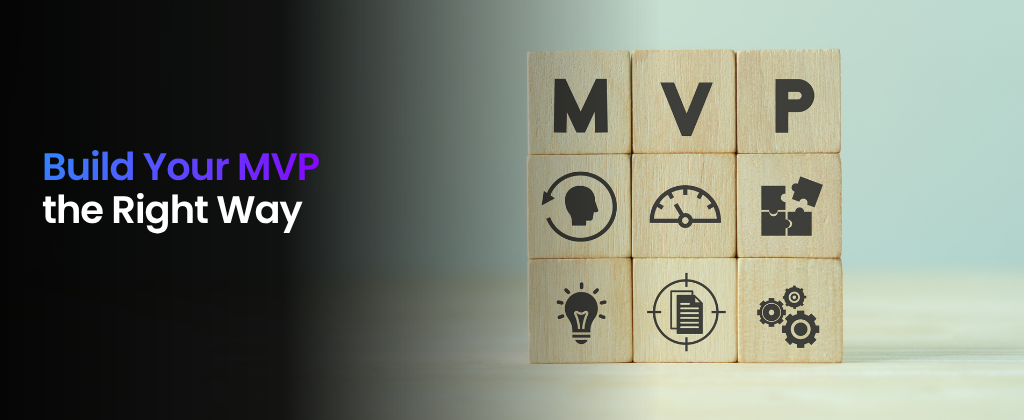
The next step is building an MVP (Minimum Viable Product), a focused version of your software that solves the core problem without unnecessary features. Good MVP development focuses on clear prioritisation, helping you launch sooner, spend less and learn from real users earlier.
What Belongs in Your MVP?
- The one core feature that solves the primary user problem
- Basic onboarding so users understand how to use it
- A simple feedback mechanism to capture user input
- Enough functionality that it doesn't feel broken, even if it's not feature-rich
What an MVP Should Leave Out?
- Adding features "just in case" instead of what the core user needs
- Integrations with third-party tools you haven't confirmed users need
- Treating the MVP as the first version of the final product instead of a learning process
Research from the Standish Group's CHAOS report has consistently found that a large share of features built into software products are rarely or never used. That statistic alone should convince any founder and investor to build what is needed first and expand based on evidence, not assumptions.
Choosing the Right Software Development Partner
This is where many UK founders face a challenge. Building in-house means hiring a technical co-founder or development team, which takes time and funding many early-stage founders lack. Working with an experienced software development company gives you access to proven technical, design and infrastructure expertise without repeating costly mistakes.
Choose a development partner with product experience, not just coding skills. Look for a team that asks why a feature is needed before building it.
Step 3: Launch the Software Product With a Plan
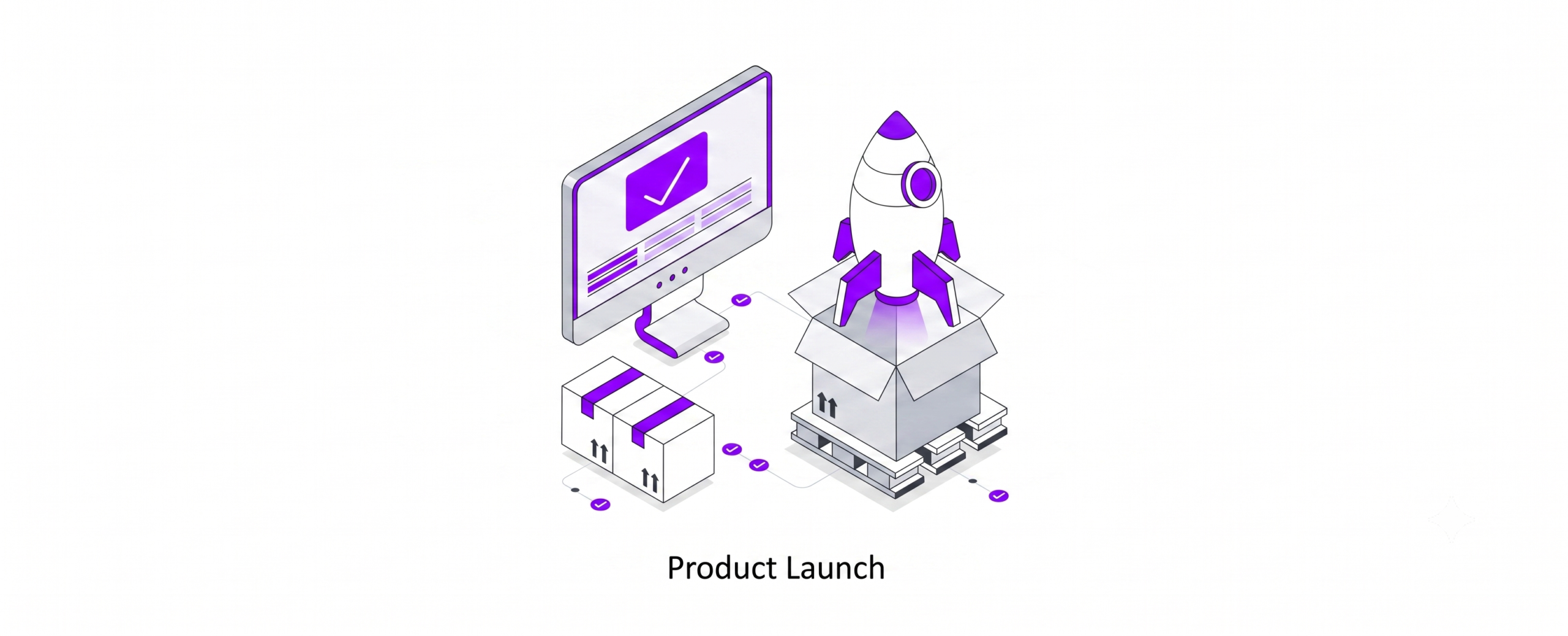 Launching is where many founders lose momentum. They launch the software product and wait for users to arrive. A proper launch has three key parts working together: the product itself, a way to reach the right people and a way to collect feedback quickly.
A Simple Launch Checklist:
- Confirm the product handles the core user journey without breaking
- Secure your first 50 to 100 users before launch day, not after.
- Set up analytics so you can see where users drop off in week one
- Have a feedback loop ready so issues get fixed within days, not weeks
More than half of UK firms are now actively using AI in their business operations, compared with just a year earlier, which means the standard for a polished, functional launch keeps rising. Users compare every new tool against the best software they already use.
Step 4: Scaling Without Breaking What Works

Scaling too early is one of the fastest ways to turn a promising product into an expensive mistake. Growth should follow evidence with steady retention, users returning without prompting and word of mouth supporting some of your customer acquisition.
Signs You're Ready to Scale:
- Repeat usage is increasing without extra marketing spend
- Customer acquisition cost is stable or falling
- Your support team isn't drowning in the same three bugs every week
At this stage, founders typically invest in stronger infrastructure, a wider go-to-market strategy and a small, focused engineering team that can move quickly without breaking what already works.
Common Mistakes UK Founders Should Avoid
- Building the full software product before testing the core idea
- Confusing polite feedback with genuine purchase intent
- Choosing a development partner on price alone rather than product experience
- Adding features because competitors have them, not customer demand
- Scaling marketing spend before the product retains users
Turn Your Software Idea into a Working Product
Turning an idea into a working software product does not have to take months of planning or a six-figure budget.
At Zenera, a software development company based in Essex, we help UK founders validate their idea properly and develop a working MVP in 30 days, then support you through launch and scale with a team that treats your product as their own.
From your first customer conversation to your first thousand users, Zenera supports you at every stage so your product is built correctly from the start.
Book a free discovery call with Zenera and find out what it takes to build, launch and scale your software product.