Construction projects generate a constant flow of information every day. Site teams record completed work, delays, labour activity, inspections, materials, photographs and issues that require attention. When this information is captured consistently, it gives project managers a clearer understanding of what is happening across the site.
When these processes are inconsistent, construction site reporting problems can make it difficult for project managers to understand the wider position of a project. Delayed updates, incomplete records and information spread across different tools can leave teams working with outdated information when decisions need to be made.
For UK contractors managing multiple activities, reliable site reporting is more than an administrative task. It connects what happens on site with what project managers, contractors and business owners need to know about the wider project, helping them identify issues and keep work moving.
Common Construction Site Reporting Problems in UK Projects
Many reporting problems begin with the way information is collected on site. Construction teams work under constant time pressure, moving between different activities and locations throughout the day. If recording an update is complicated or takes too long, important information may be recorded later or left out completely.
This can create inconsistencies between daily reports. One update may include photographs, detailed notes and information about outstanding work, while another may contain only a short summary. Over time, these differences make it harder to establish an accurate picture of project progress.
The problem becomes more noticeable when several people contribute to the same project. Without a consistent reporting process, information can be recorded differently depending on who is responsible for the update.
Delayed Daily Site Reports and Project Communication Gaps
Daily reports are most useful when information reaches project managers while it is still current. A delay between an issue occurring and the update being reviewed can make it harder to respond before the situation affects other activities.
A delay involving labour, materials or site access may initially affect one task. If it is not communicated quickly, other planned activities can also be affected. By the time management becomes aware of the issue, the available options may already be more limited.
A structured reporting process allows site teams to record information closer to the point where it happens, giving project managers a better opportunity to review developments and act where required.
Incomplete Construction Site Reports and Missing Project Information
Another common problem is incomplete reporting. Important details can be missed when site teams rely on informal messages or manually completed documents.
A useful site report may need to provide information about completed work, current issues, photographs, delays, actions taken and tasks that still require attention. If these details are not captured consistently, project managers may need to contact site teams again to fill the gaps. A more structured approach supported by project management for construction projects can help keep these updates connected with the wider project workflow.
For projects involving multiple contractors or sites, consistent reporting becomes even more important because information needs to be understood by people who were not directly involved in the original activity.
Managing Construction Reports Across Multiple Project Systems
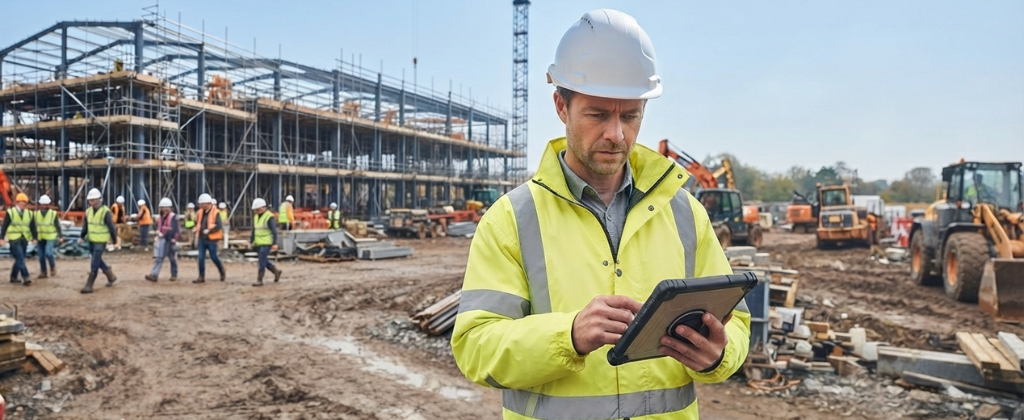
Construction reporting can become difficult when information is distributed across spreadsheets, emails, messaging applications, paper forms and separate project folders.
A site manager might send photographs through one channel, provide a progress update by email and record project information in a spreadsheet. While each method may work independently, bringing the information together creates additional administration and increases the chance of information being missed.
This also creates uncertainty over where the latest information can be found. A centralized approach can bring site information into a structured project environment where relevant updates can be reviewed alongside other project information.
How Poor Site Reporting Affects Construction Project Visibility
The biggest issue with weak reporting is not simply that information is difficult to store. Poor reporting can reduce visibility across the project and make it harder for managers to identify patterns or outstanding issues.
Project managers need to understand more than what happened on a particular day. They also need to identify issues that could affect future work.
Poor reporting can make it harder to identify:
- Delays affecting planned activities
- Outstanding site issues
- Repeated problems across different work areas
- Tasks requiring follow-up
- Changes affecting project schedules
- Information that has not yet been provided
- Whether previously reported issues have been resolved
When this information is difficult to access, management may spend valuable time chasing updates rather than reviewing the project and responding to problems.
Improving Construction Site Reporting Processes for UK Contractors
Improving reporting does not necessarily mean asking site teams to produce longer reports. The focus should be on capturing the right information in a consistent and practical format.
A reporting process can cover daily progress, site activity, issues, photographs, delays and follow-up actions. Standardizing these areas makes reports easier to review because management knows where information should appear and site teams know what needs to be recorded.
It is also useful to consider what happens after a report is submitted. Where an update identifies an issue, it may need to be assigned to someone, connected to a task or followed until the matter has been resolved.
Standardizing Daily Site Reports Across Construction Projects
A standardized reporting structure gives different site teams a common way to record information. This is particularly useful for contractors managing several projects or multiple work areas.
A consistent daily report can include:
- Work completed and current progress
- Labour and site activity
- Delays or disruptions
- Site issues and required actions
- Photographs and supporting information
- Materials or equipment concerns
- Tasks requiring follow-up
The exact fields can vary depending on the project, but the principle remains the same. Site teams should know what information needs to be captured, while management should know where to find it.
Connecting Site Reporting With Construction Project Management
Reporting becomes more useful when it is connected to the rest of the project rather than treated as a separate administrative activity.
A site issue, for example, may need to become an action assigned to a particular person, linked to a task or followed until it is resolved. When relevant information is connected, project managers can spend less time transferring details between systems and more time reviewing what requires attention.
For businesses managing specialist delivery teams, subcontractor management can form an important part of this wider workflow.
Zenera construction platform is designed to bring project management, site reporting, resource management, budgeting, documents and approvals into a connected system rather than relying on separate tools for each activity.
Improving Project Visibility Across Multiple Construction Projects
Visibility becomes particularly important for contractors managing several projects at the same time. Checking individual reports manually can make it difficult to understand the overall position of the business.
A centralized system can give management a clearer view of project information without requiring every update to be manually consolidated. Dashboards can help teams review project progress, outstanding tasks, site issues and other operational data from a single location.
For contractors looking to bring these areas together, financial management for construction projects can form part of a wider connected project workflow.
For businesses comparing different approaches to construction software, the difference between disconnected tools and a system built around a construction workflow can become significant. The aim is not simply to replace spreadsheets, but to create a more consistent flow of information from site activity through to project management.
Related Blog: Custom Construction Software: Features UK Firms Actually Need
Making Daily Construction Reporting Easier for Site Teams
Any reporting system needs to work for the people using it. If site teams find the process complicated, reporting can become another administrative burden.
The process should therefore be simple enough to complete during a busy working day. Mobile access can help site teams record updates closer to the point where work happens, while standardized fields can reduce unnecessary repetition.
It is also important that reported information reaches the right people. A report that is submitted but never reviewed does little to improve project visibility.
For certain types of UK construction work, formal reporting requirements can also make accurate information important beyond day-to-day project management. The Building Safety Regulator states that principal designers and principal contractors must establish and operate a mandatory occurrence reporting system for relevant higher-risk building work. Official guidance on submitting mandatory notices and reports sets out information required when reporting qualifying safety occurrences, including supporting documents, videos or photographs.
Digital reporting can therefore help create a clearer process where site information is captured, reviewed and connected to the actions that follow. This can reduce unnecessary back-and-forth while giving decision-makers a more current view of project activity.

Build Better Project Visibility With Better Reporting
Improving construction site reporting is ultimately about making project information easier to capture, understand and act on. A consistent approach can help contractors maintain clearer records of site activity while making it easier for project managers to follow progress, identify outstanding issues and keep different teams working from reliable information.
There is no need to turn reporting into a complicated administrative process. Clear reporting structures, practical digital tools and better connections between site updates and project management can provide a strong foundation for managing day-to-day construction activity across individual projects and larger programmes of work.
If your current reporting process is making it harder to keep projects on track, a consultation with Zenera is a practical next step to discuss the challenges within your current workflow and explore suitable construction management software. With the right approach in place, contractors can bring site reporting into their wider project processes and maintain clearer information from daily site activity through to project completion.